7 Elements of Interior Design: Complete Guide for Beginners
Learn the 7 essential elements of interior design—space, line, form, light, color, texture, and pattern. This guide explains how these elements work together to create balanced, functional, and beautiful interior spaces.
INTERIOR DESIGN
Introduction
Interior design is more than just decorating a space; it is about creating an environment that is both functional and visually appealing. Designers use certain fundamental principles and elements to shape interiors in a balanced and harmonious way. The seven elements of interior design—space, line, form, light, color, texture, and pattern— act as the foundation for designing any interior space. By understanding and applying these elements effectively, designers can transform ordinary rooms into comfortable, stylish, and well-organized living environments.
1. Space
Space is the most important element of interior design because every design begins with the available area of a room. It refers to the physical boundaries of a space and how furniture, décor, and movement are organized within it. Proper space planning helps create a room that is comfortable, functional, and visually balanced.
Positive Space
Positive space refers to the areas in a room that are occupied by furniture, décor, or objects. It includes elements such as sofas, tables, beds, cabinets, lighting fixtures, and decorative accessories. These objects define the purpose and function of the space.
In interior design, positive space helps create structure and usability in a room. For example, in a living room, the sofa, coffee table, and chairs form the main positive space that allows people to sit, relax, and interact. Designers carefully arrange these elements to ensure the room looks organized and visually appealing.
However, too much positive space can make a room look crowded and cluttered. Therefore, interior designers balance positive space with empty areas to maintain comfort and proper movement within the room.
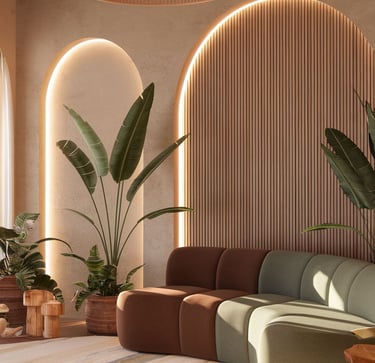
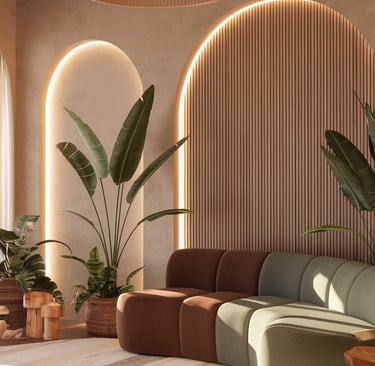
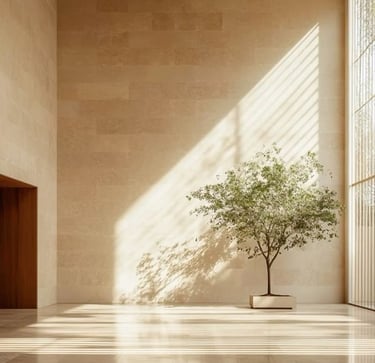
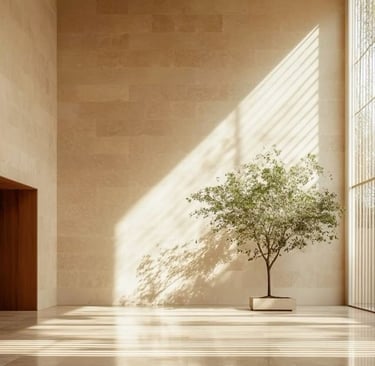
Negative space refers to the empty or open areas around furniture and objects in a room. These spaces are not filled with items but are intentionally left empty to create balance, comfort, and visual clarity.
Negative space plays an important role in interior design because it allows the eye to rest and appreciate the design elements. It also improves movement and circulation within the room. For example, the walking paths between furniture or the empty wall areas around décor are considered negative space.
When used effectively, negative space makes a room feel more spacious, calm, and organized. Designers often use negative space to highlight important elements such as artwork, furniture, or architectural features.
Negative Space
-----------------------------------------------------------------------------------------------------------------------------------------------------------------
-----------------------------------------------------------------------------------------------------------------------------------------------------------------
Line is one of the fundamental elements of interior design that helps define the structure, direction, and visual flow of a space. Lines guide the human eye throughout a room and influence how we perceive the size, shape, and mood of the interior. They are created by architectural features such as walls, windows, ceilings, and staircases, as well as by furniture, décor, and lighting elements.
In interior design, lines help create balance, harmony, and visual interest. Designers use different types of lines to establish a specific atmosphere or style in a room. The three main types of lines used in interiors are horizontal lines, vertical lines, and dynamic lines.
2. Line
Horizontal
Dynamic
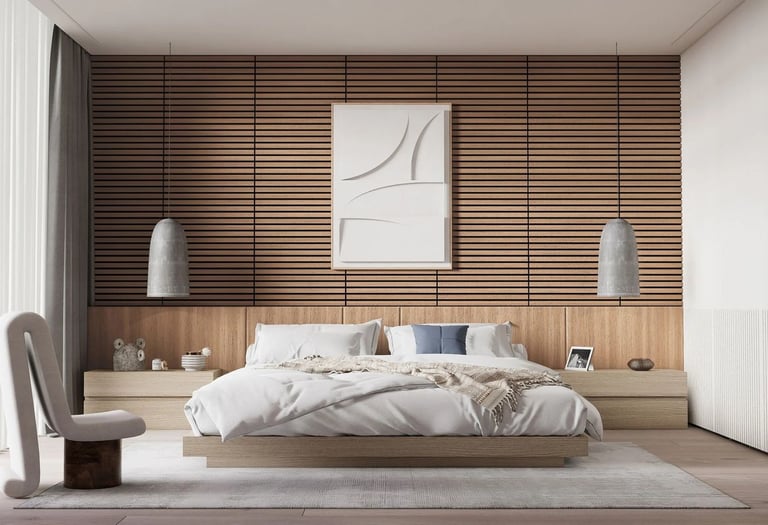
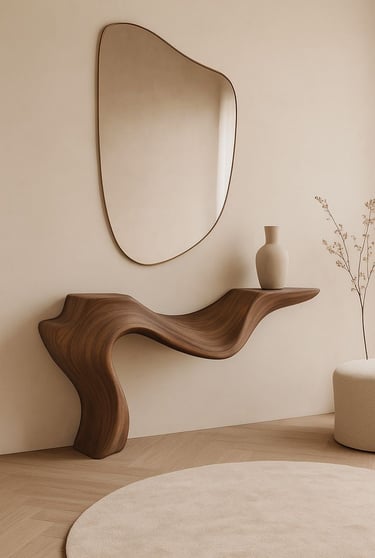
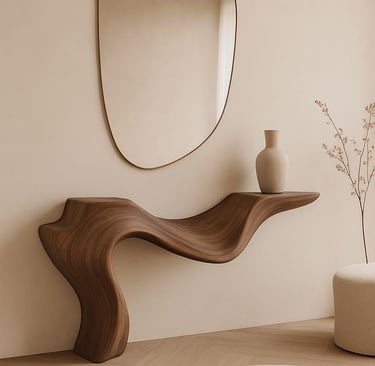
Horizontal lines are commonly found in elements such as tables, sofas, beds, shelves, and long windows. These lines create a feeling of stability, calmness, and relaxation. They visually make a room appear wider and more spacious, which is why they are often used in living rooms and bedrooms to create a comfortable atmosphere.
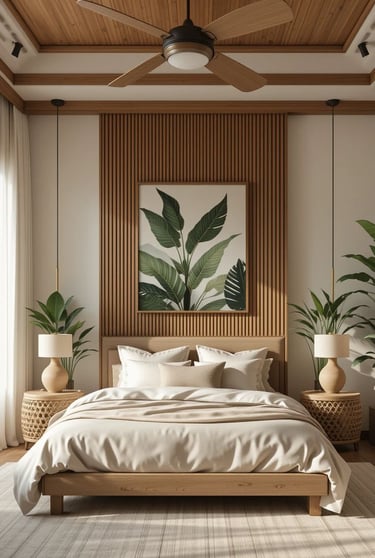
Vertical lines can be seen in doors, windows, columns, curtains, and tall cabinets. These lines create a sense of height, strength, and formality. They draw the eye upward, making a room appear taller and more elegant. Designers often use vertical lines to give a space a more sophisticated and grand appearance.
Dynamic lines include diagonal, curved, or zigzag lines. These lines bring movement, energy, and creativity into a space. They are often found in staircases, curved furniture, decorative patterns, or modern architectural elements. While dynamic lines add excitement and visual interest, they should be used carefully so the design does not feel chaotic.
Vertical
-----------------------------------------------------------------------------------------------------------------------------------------------------------------
3. Form
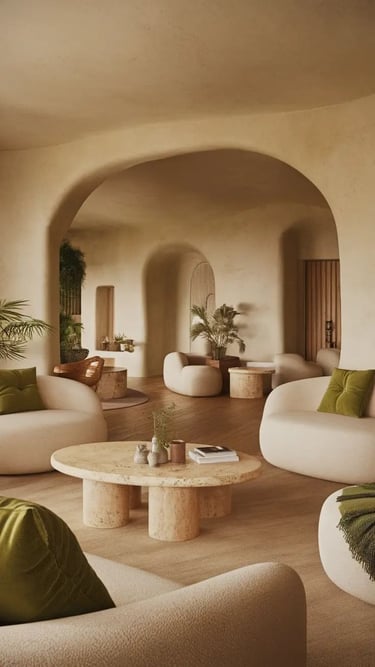
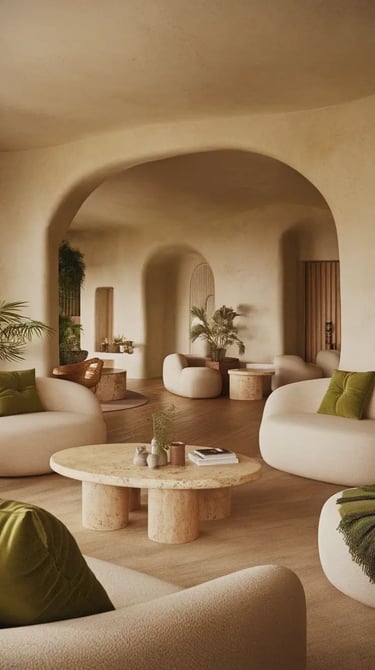
Form in interior design refers to the shape, structure, and three-dimensional appearance of objects within a space. It describes how furniture, décor, and architectural elements occupy space and interact with each other. Form gives a room its visual identity and physical structure, helping to create harmony and balance in the overall design.
In interior design, form is closely related to space and line, because the shape of objects defines how they fit into the room. Designers carefully choose and arrange different forms to ensure that the space feels organized, functional, and visually appealing. There are two type of form and they are,
Geometric Form
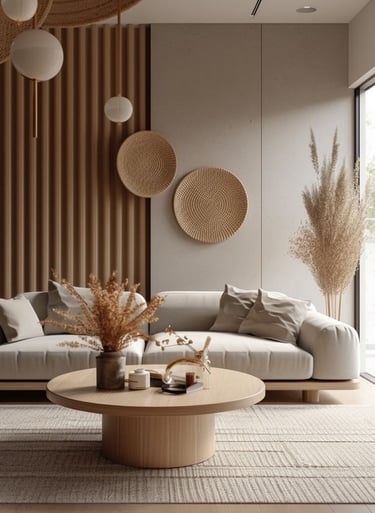
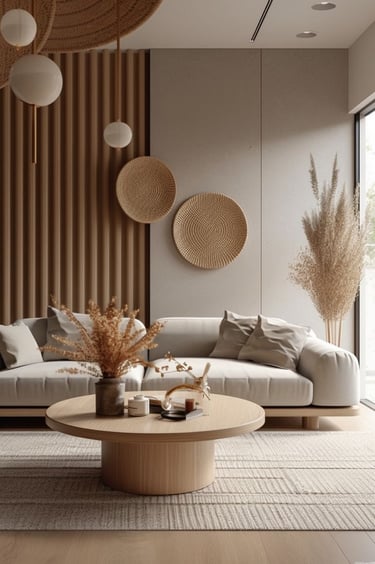
Geometric forms are shapes with clear lines and precise edges, such as squares, rectangles, circles, and triangles. These forms are commonly seen in modern furniture, tables, cabinets, windows, and shelves. Geometric forms create a feeling of order, structure, and simplicity in a space. They are often used in contemporary and minimalist interior designs.
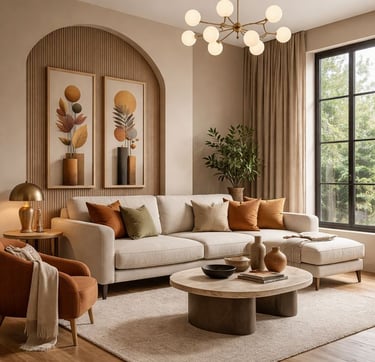
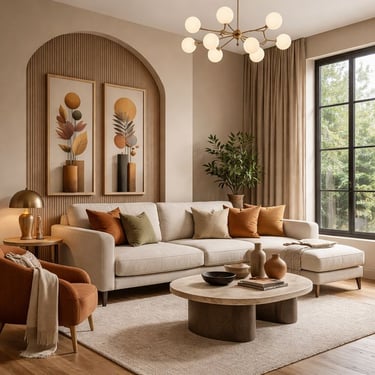
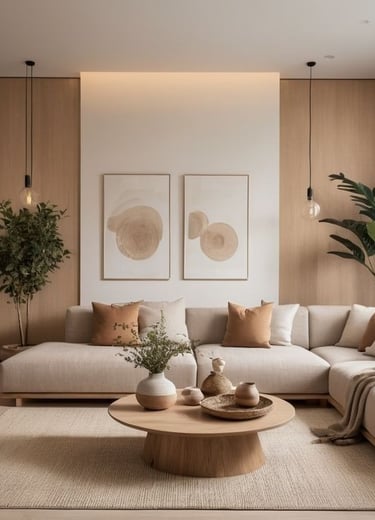
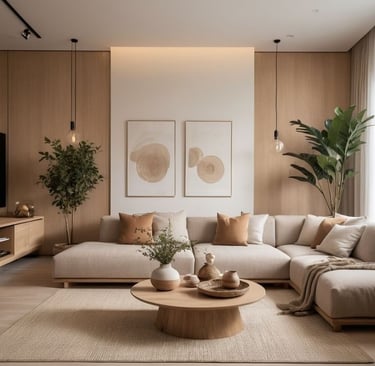
Organic Form
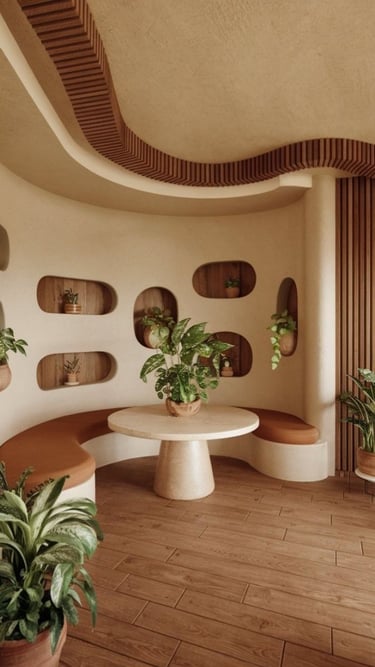
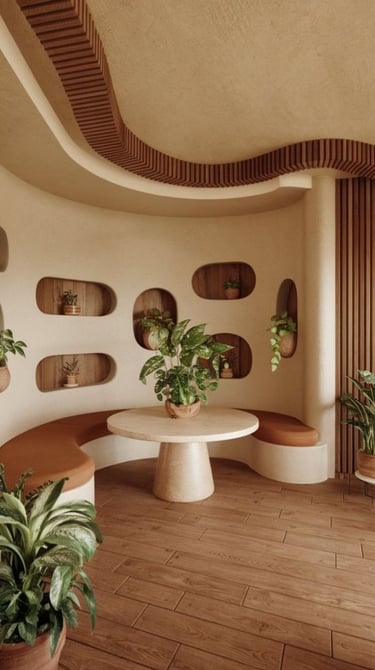
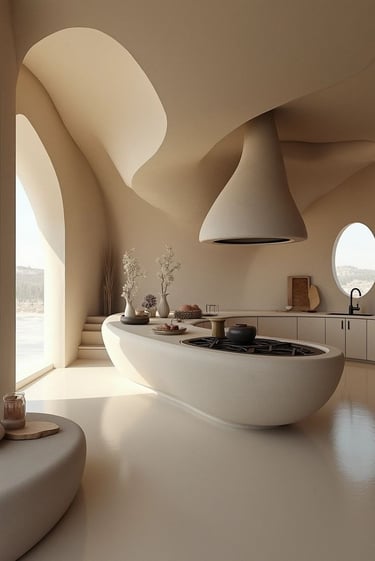
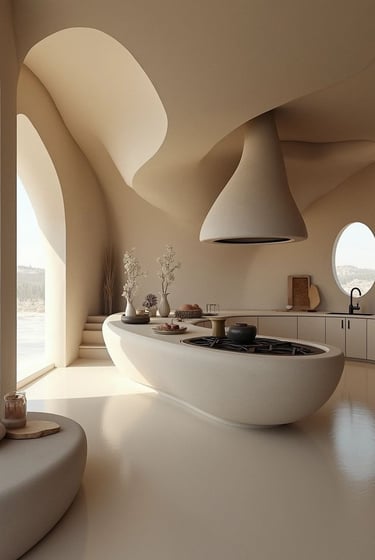
Organic forms are natural, irregular, and free-flowing shapes inspired by nature. These forms can be seen in curved sofas, decorative sculptures, plants, and artistic furniture designs. Organic forms bring a sense of softness, comfort, and creativity to interiors. They help break the rigid look created by geometric shapes.
4. Light
Light is one of the most important elements of interior design because it affects both the functionality and atmosphere of a space. Lighting allows people to perform daily activities comfortably while also enhancing the beauty of the interior. Proper lighting can highlight architectural features, improve the appearance of colours and textures, and create different moods within a room.
Interior designers consider lighting carefully to ensure that every space is well-lit, comfortable, and visually appealing. Light in interior design is generally divided into two main types: natural light and artificial light..
Natural Light
Natural light comes from sunlight entering through windows, doors, skylights, and glass openings. It is one of the most valuable elements in interior design because it makes spaces feel open, fresh, and inviting. Natural light also enhances colors and textures in a room and can help reduce the need for artificial lighting during the day. Designers often use large windows, glass walls, and light-colored interiors to maximize natural light.
Artificial Light
Artificial lighting is used when natural light is limited or unavailable, especially during the evening or night. Interior designers typically use three types of artificial lighting:
Ambient Lighting - Task Lighting - Accent Lighting
Ambient
Task
Accent
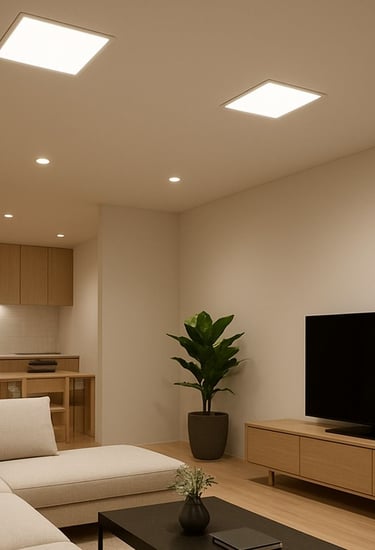
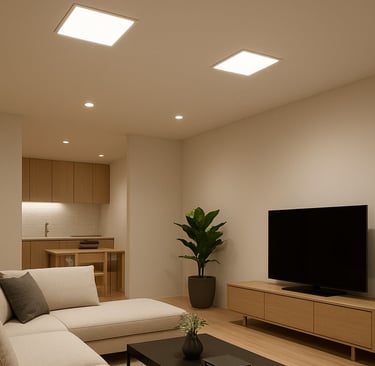
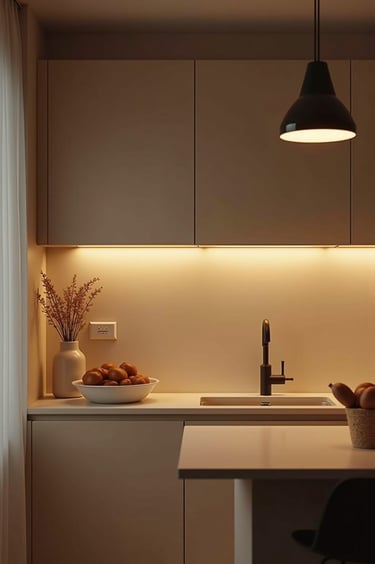
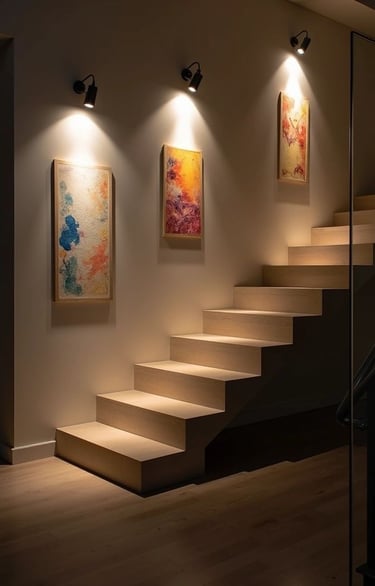
The main source of light in a room that provides overall illumination, such as ceiling lights or chandeliers.
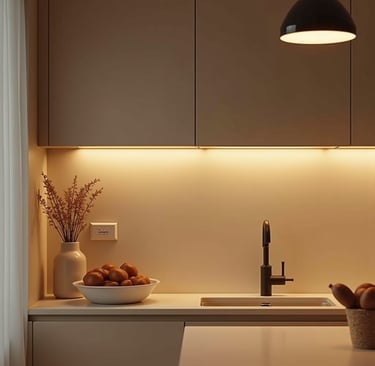
Focused lighting used for specific activities like reading, cooking, or working, such as desk lamps or under-cabinet lights.
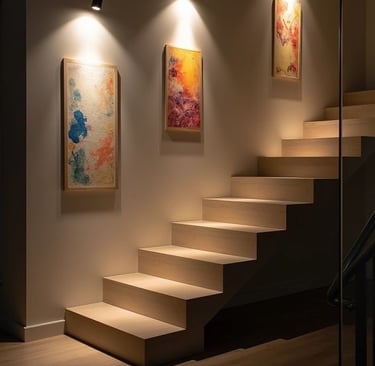
Accent lighting used to highlight artwork, walls, or architectural features, such as spotlights or wall lights.
Importance of Light in Interior Design
Lighting plays a key role in shaping the mood, comfort, and functionality of a space. A well-lit interior creates a welcoming atmosphere and improves the usability of the room. Designers often combine natural and artificial lighting to achieve balanced and layered lighting, which makes the space both practical and aesthetically pleasing.
-----------------------------------------------------------------------------------------------------------------------------------------------------------------
-----------------------------------------------------------------------------------------------------------------------------------------------------------------
Colour is one of the most powerful elements of interior design because it strongly influences the mood, atmosphere, and visual appeal of a space. Colours can change how a room feels—making it appear larger or smaller, brighter or calmer. Interior designers carefully choose colours to create a balanced and harmonious environment that reflects the style and personality of the space.
Colours in interior design are usually selected based on colour schemes, which help maintain visual harmony in a room. Designers consider factors such as lighting, room size, furniture, and the purpose of the space when choosing colour's. There are three different type of colour scheme
5. Colour
Monochromatic Colour Scheme
This scheme uses different shades, tones, and tints of a single colour. It creates a simple, elegant, and cohesive look. For example, a room designed with different shades of blue can feel calm and sophisticated.
Analogous Colour Scheme
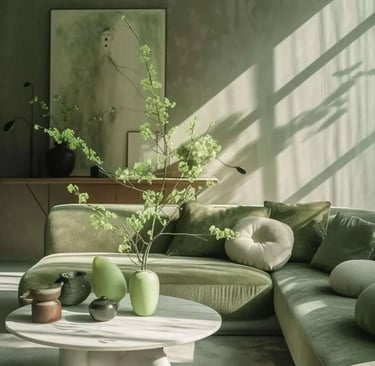
Analogous colours are colours that are next to each other on the colour wheel, such as blue, blue-green, and green. This scheme creates a soft and harmonious appearance because the colours blend naturally with each other.
Complementary Colour Scheme
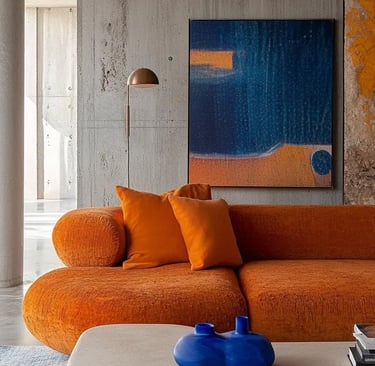
Complementary colours are opposite colours on the colour wheel, such as blue and orange or red and green. These combinations create strong contrast and visual interest, making certain elements in the room stand out.
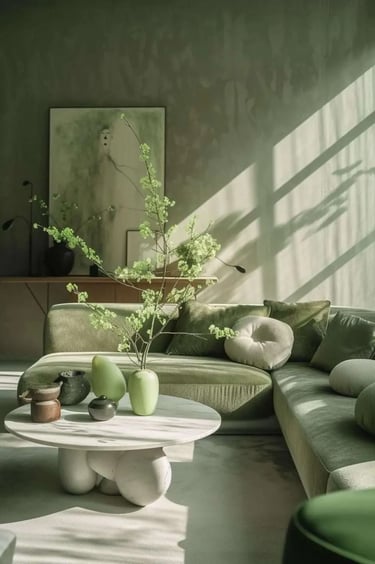
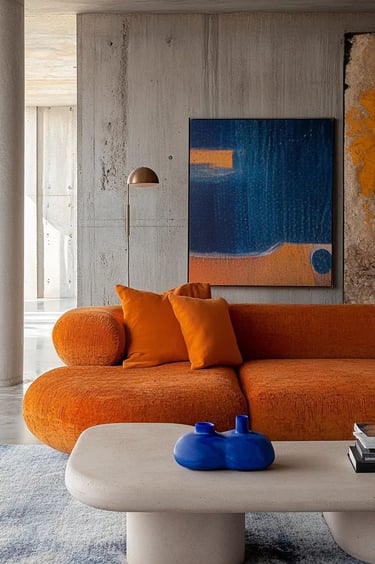
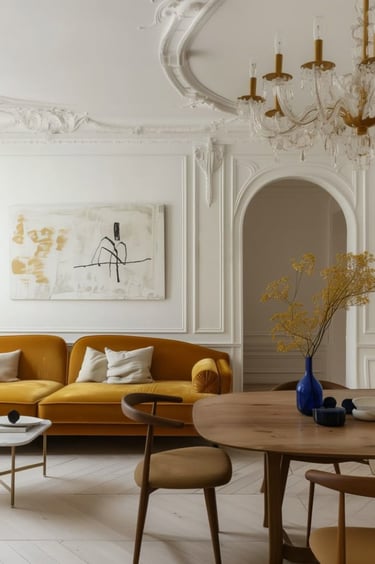
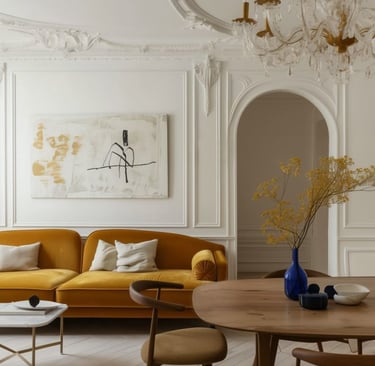
Importance of Colour in Interior Design
Colour plays a vital role in shaping the overall mood and personality of a space. The right colour combination can make a room feel comfortable, stylish, and balanced. Designers often use colours to highlight focal points, create contrast, and unify different elements within the interior.
-----------------------------------------------------------------------------------------------------------------------------------------------------------------
6. Texture
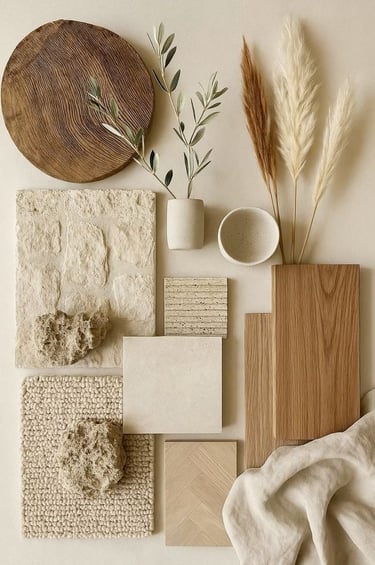
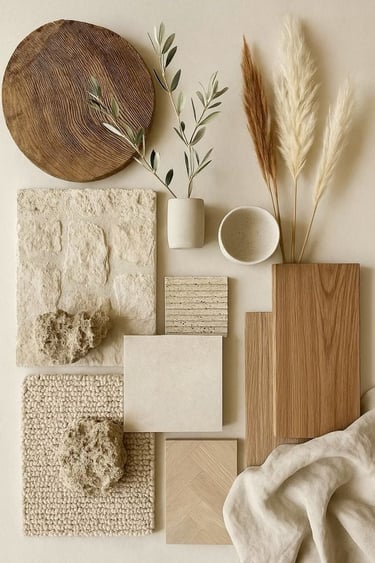
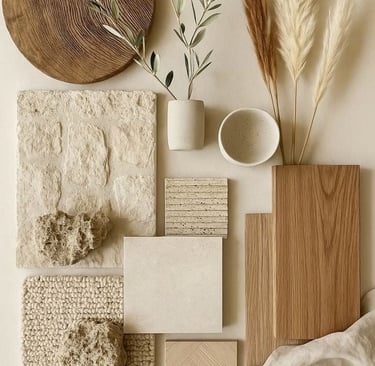
When we step into a beautifully designed space, it’s not just what we see—it’s what we feel. This sensory experience comes from texture, an essential element in interior design that adds richness, comfort, and character to any space.Texture is the silent storyteller of your space. It brings life, emotion, and depth—turning ordinary interiors into extraordinary experiences.
Texture refers to the surface quality of materials—how they look and feel. It can be:
Tactile Texture – what you physically feel (like soft cushions, rough stone)
Visual Texture – what you perceive with your eyes (like printed patterns or finishes)
A well-designed space blends both to create a balanced and inviting environment.
Natural Texture (Organic & Earthy Feel)
Natural textures bring warmth, authenticity, and a connection to nature. They are timeless and soothing.
More Examples:
Wood (Teak, Oak, Walnut) – Flooring, wall panels, furniture
Stone (Granite, Marble, Slate) – Countertops, accent walls
Brick (Exposed Brick Walls) – Rustic and industrial style
Bamboo & Cane – Chairs, partitions, ceiling décor
Jute & Coir – Rugs, mats, wall hangings
Cotton & Linen Fabrics – Curtains, sofas, bedding
Leather – Sofas, chairs (adds a rich, classic touch)
Clay & Terracotta – Pots, tiles, decorative items
Rattan – Light fixtures, baskets, outdoor furniture
Wool – Carpets, throws, cushions
Plants & Greenery – Natural visual texture that adds life
Best Use Tip: Combine wood + fabric + greenery to create a warm and welcoming home environment.
Artificial Texture (Modern & Sleek Feel)
Artificial textures are engineered or processed materials that create a polished, contemporary look.
More Examples:
Glass (Clear, Frosted, Tinted) – Partitions, tabletops
Metal (Steel, Brass, Aluminum) – Railings, fixtures, décor
Acrylic & Plastic Finishes – Modular furniture, cabinets
Laminate Surfaces – Wardrobes, kitchen cabinets
Polished Tiles (Vitrified/Ceramic) – Flooring, walls
Concrete Finish – Industrial-style walls and floors
Resin & Epoxy Coatings – Designer floors, countertops
PVC Panels – Ceilings and wall cladding
Mirrors – Enhance space and light with reflective texture
High-Gloss Finishes – Modern kitchens and wardrobes
Engineered Wood – Budget-friendly alternative to real wood
Best Use Tip: Pair glossy surfaces with soft textures (like rugs or curtains) to avoid a cold or overly sharp look.
-----------------------------------------------------------------------------------------------------------------------------------------------------------------
7. Pattern
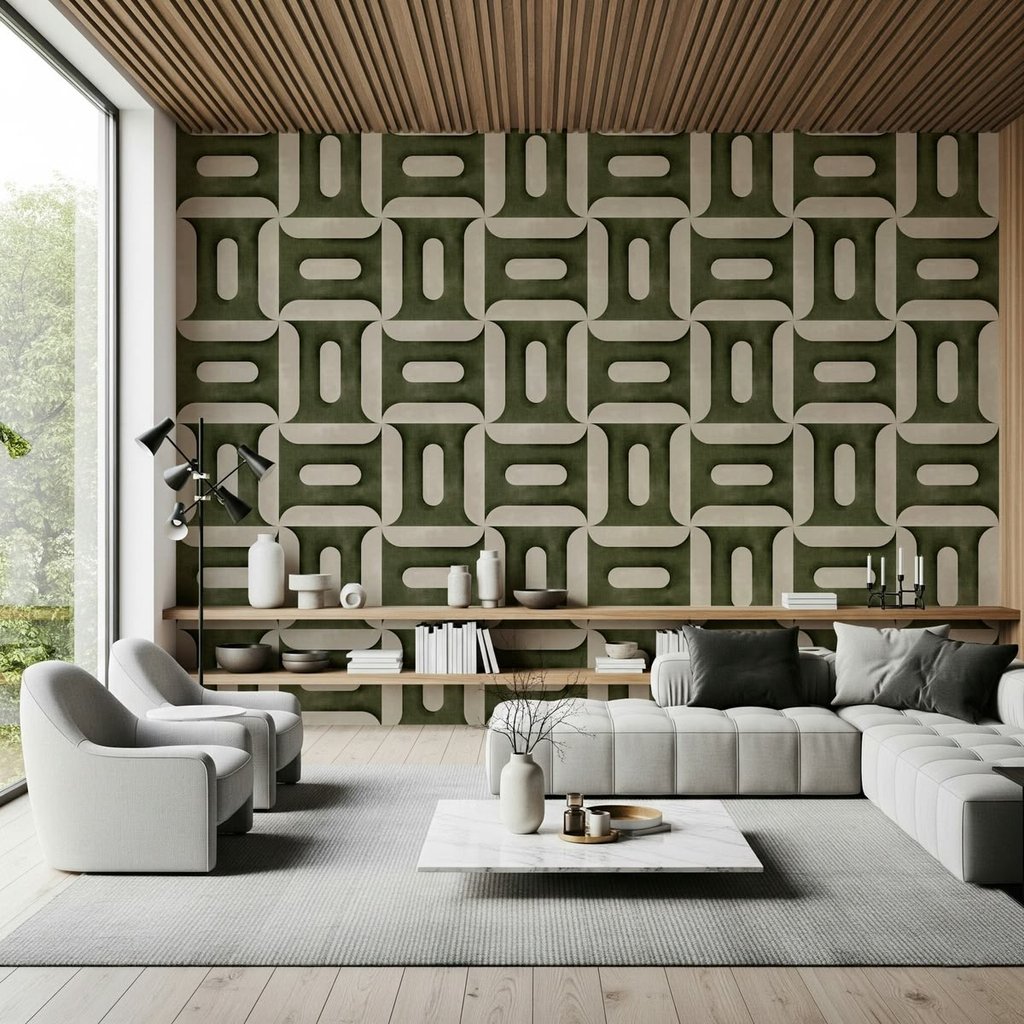
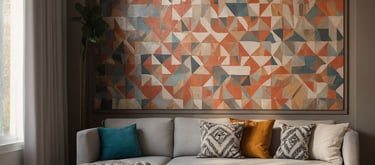
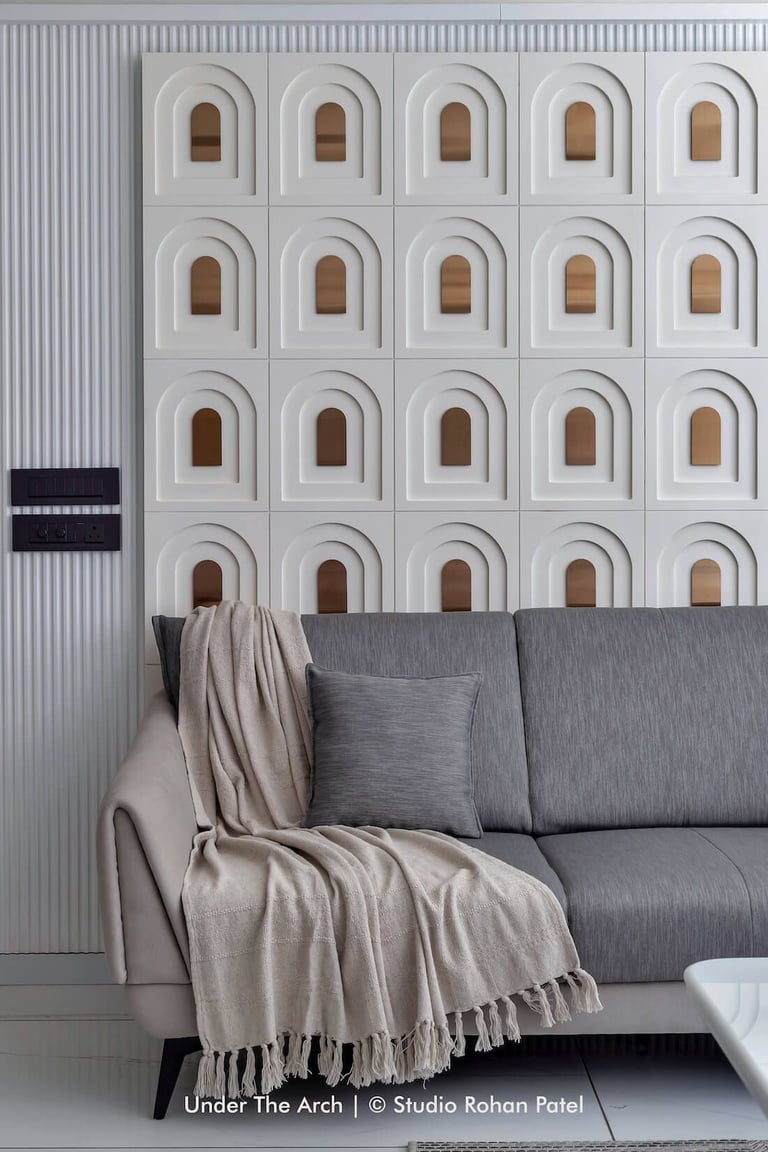
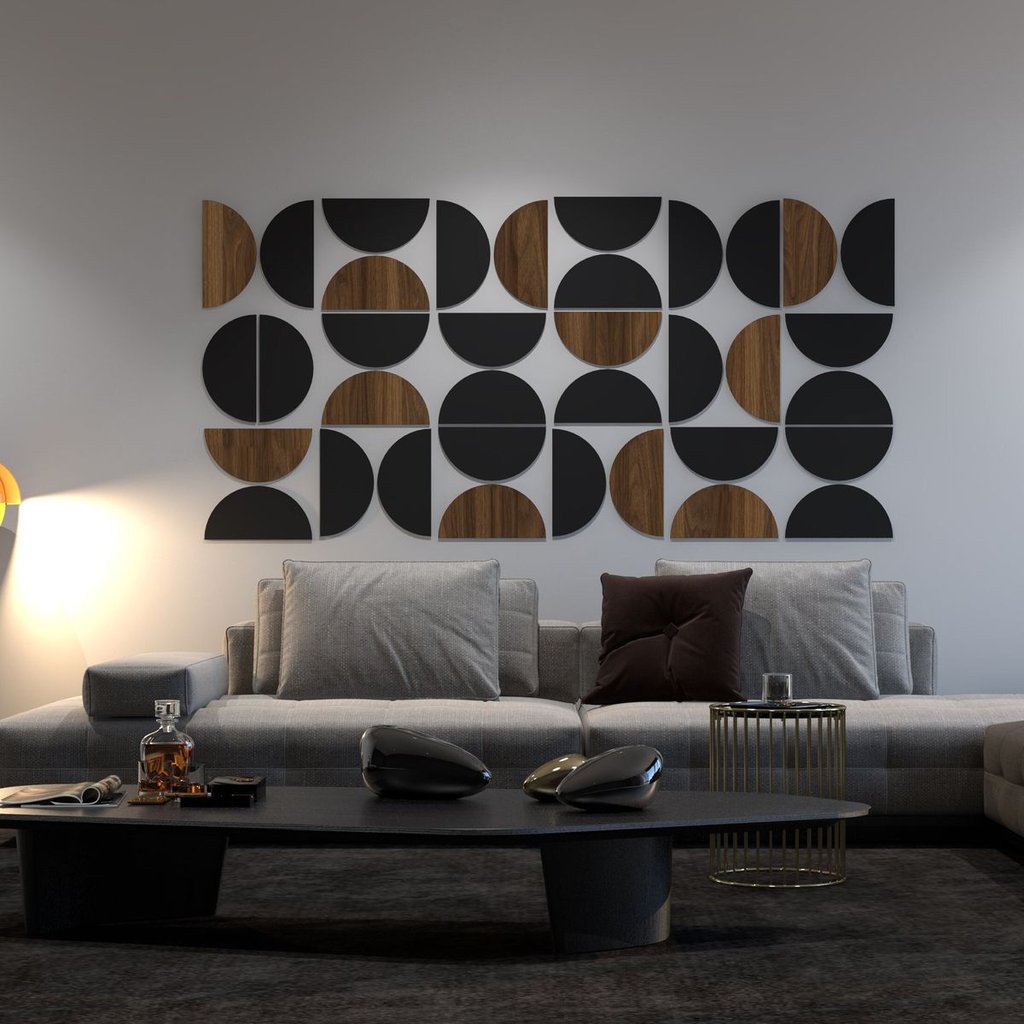
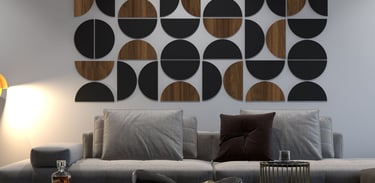
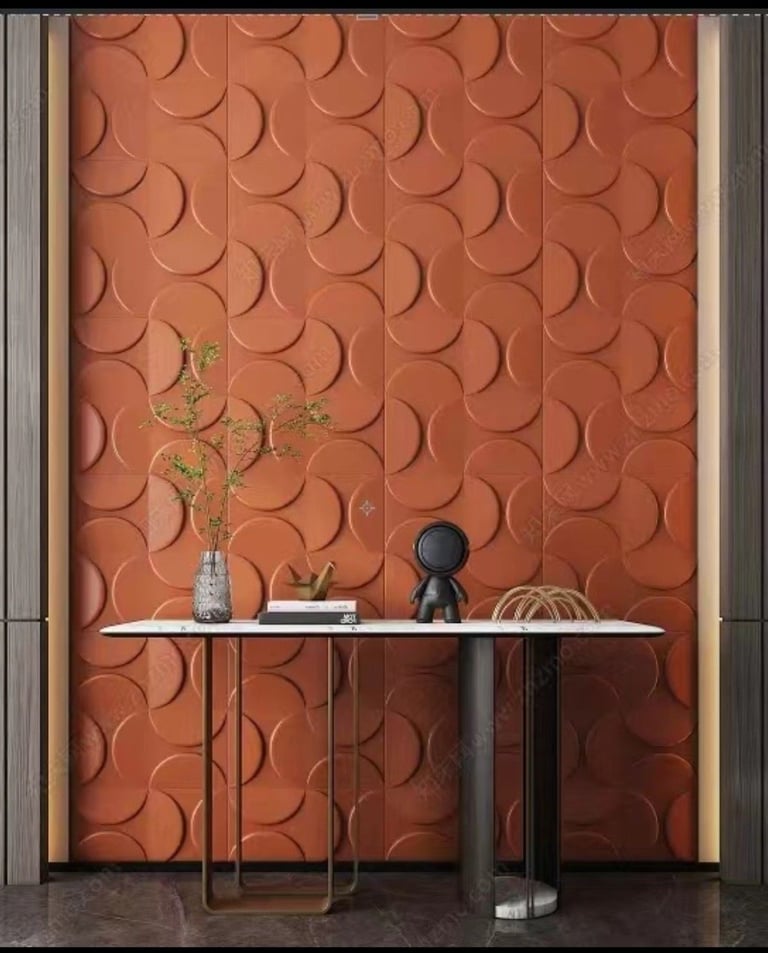
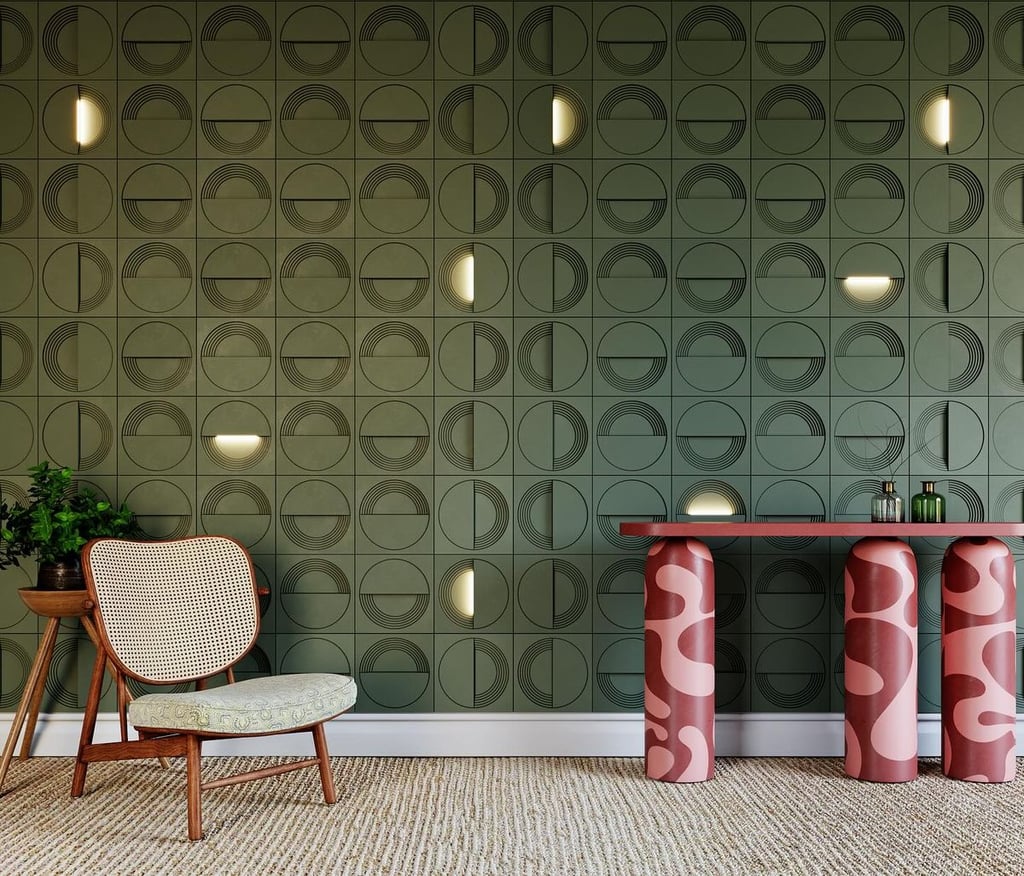
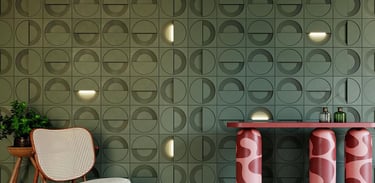
Pattern is the repetition of shapes, lines, or motifs that adds visual interest and rhythm to a space. It helps break monotony and brings life to interiors by creating movement and character. From subtle textures to bold prints, patterns can define the overall style of a room—whether modern, classic, or eclectic. When used thoughtfully and balanced with solid elements, patterns enhance the aesthetic appeal without overwhelming the space.
1. Geometric Patterns
Clean, structured, and modern.
Examples:
Chevron flooring
Hexagon tiles
Striped wallpapers
Grid-based designs
Best for contemporary and minimal interiors.
2. Organic Patterns
Inspired by nature, soft and free-flowing.
Examples:
Floral prints
Leaf motifs
Animal-inspired textures
Water-like patterns
Perfect for calm, relaxing spaces.
4. Traditional Patterns
Classic and timeless designs.
Examples:
Damask prints
Paisley designs
Ethnic motifs
Vintage tiles
Adds elegance and cultural richness.
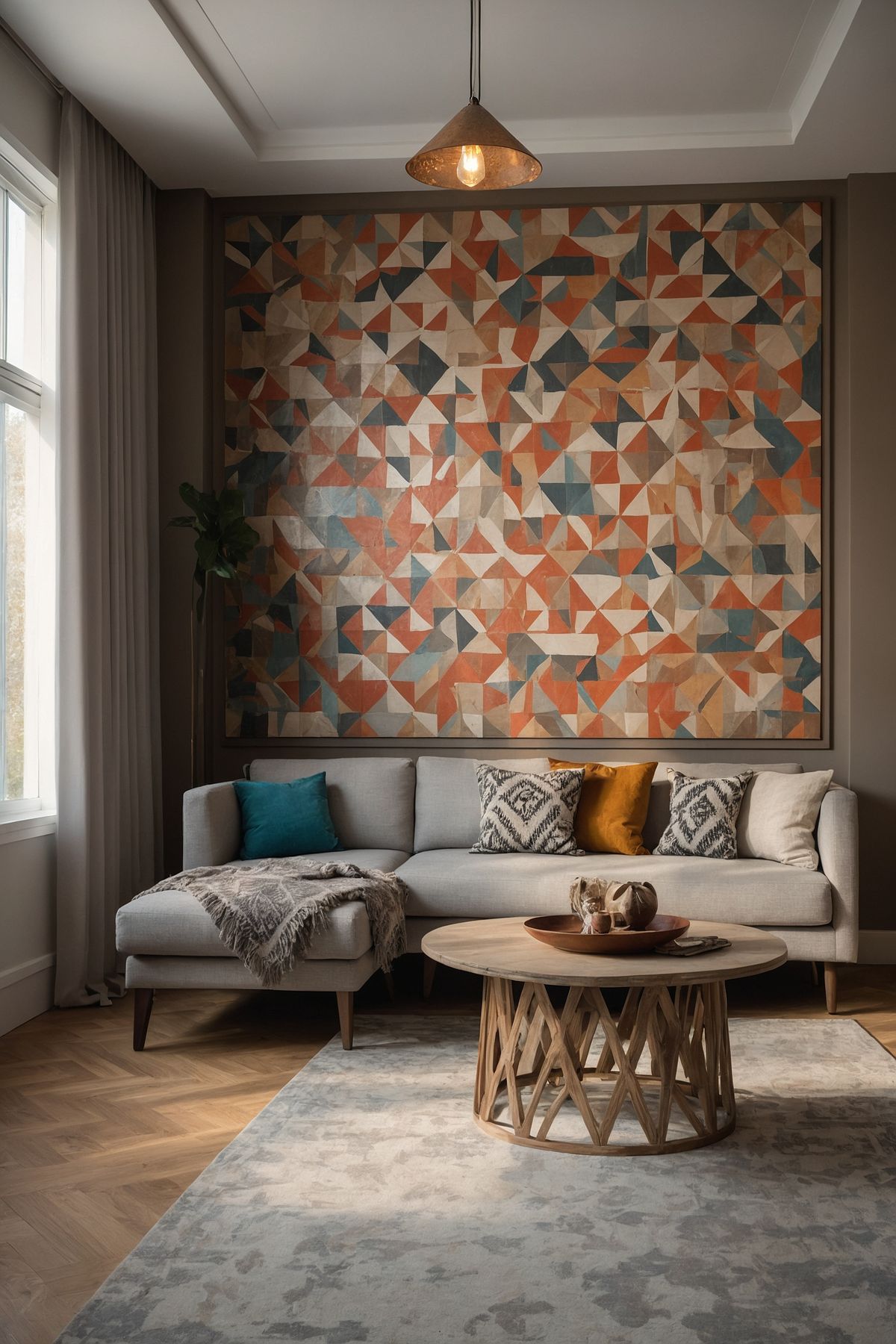
3. Abstract Patterns
Creative and artistic, often bold.
Examples:
Irregular shapes
Artistic wall prints
Modern rugs with random designs
Ideal for statement interiors.
No : 56 karuneegar street Thiruninravur 602024
+91 8072349457 / 9677287622
info.homelifeproperties369@gmail.com