PRINCIPLE OF INTERIOR DESIGN
The principles of interior design are the fundamental guidelines that help create spaces that are visually appealing, functional, and comfortable. These principles act as the foundation of every well-designed interior, ensuring that all elements within a space work together in harmony.
INTERIOR DESIGN
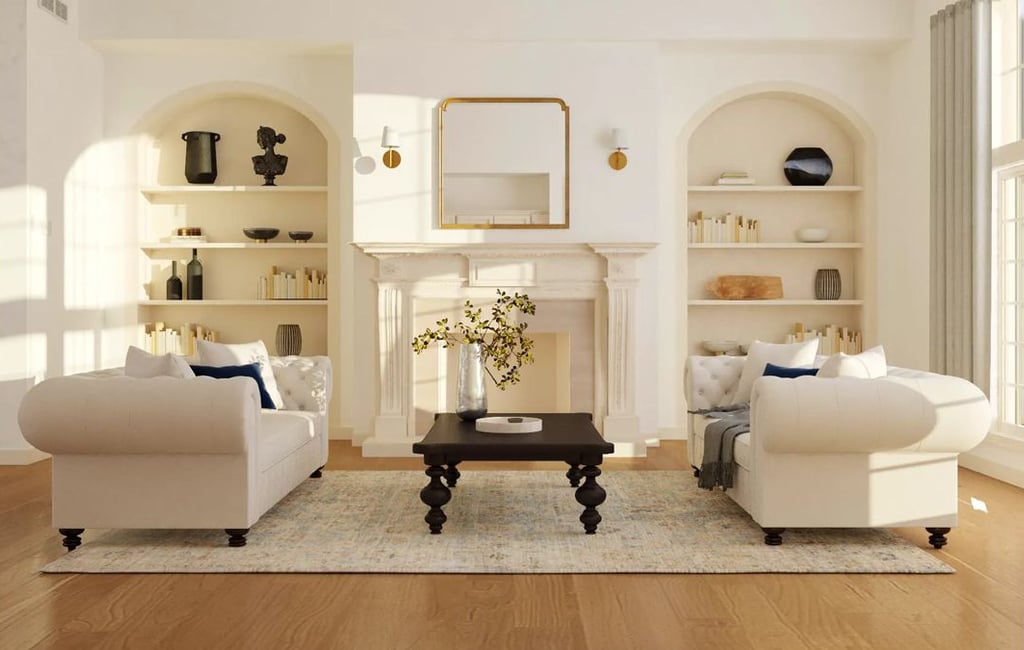
Balance in interior design refers to the equal distribution of visual weight within a space. It ensures that a room feels stable, comfortable, and visually pleasing rather than heavy on one side or empty on another.
When balance is achieved, the space feels organized and harmonious.
There are three main types of balance:
1.Symmetrical Balance:
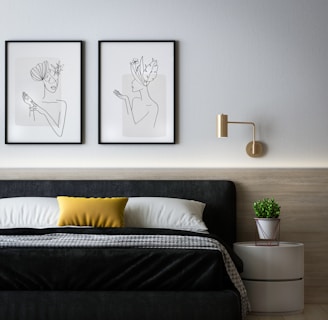
Symmetrical balance in interior design occurs when elements are arranged evenly on both sides of a central axis. It creates a mirror-like effect where one side reflects the other.
This type of balance is commonly seen in traditional and formal interiors. For example:
Two identical sofas facing each other
Matching bedside tables with similar lamps
A fireplace with equal décor on both sides
Symmetrical balance gives a space a sense of order, stability, and calmness. It is ideal for creating a clean, elegant, and well-organized look.
1. Balance
Creating Visual Stability
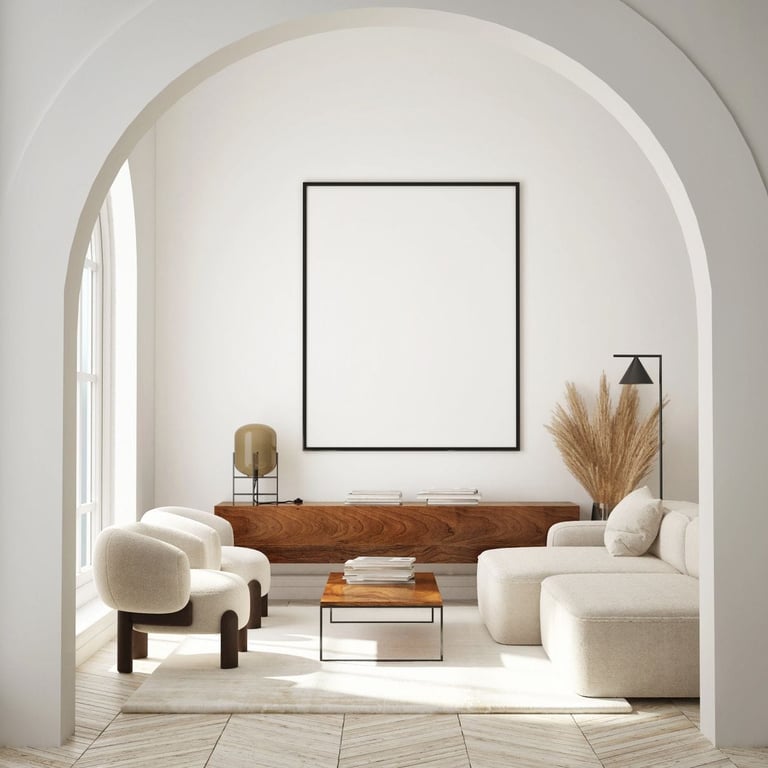
2. Asymmetrical balance in interior design is achieved when different elements are arranged in a way that still creates visual equilibrium. Unlike symmetrical balance, the objects are not identical, but they have equal visual weight.
For example:
A large sofa balanced by two smaller chairs
A bold artwork balanced by a floor lamp and décor pieces
A sectional sofa balanced with a statement chair
This type of balance feels more relaxed, modern, and dynamic. It adds interest and creativity while still maintaining harmony within the space.
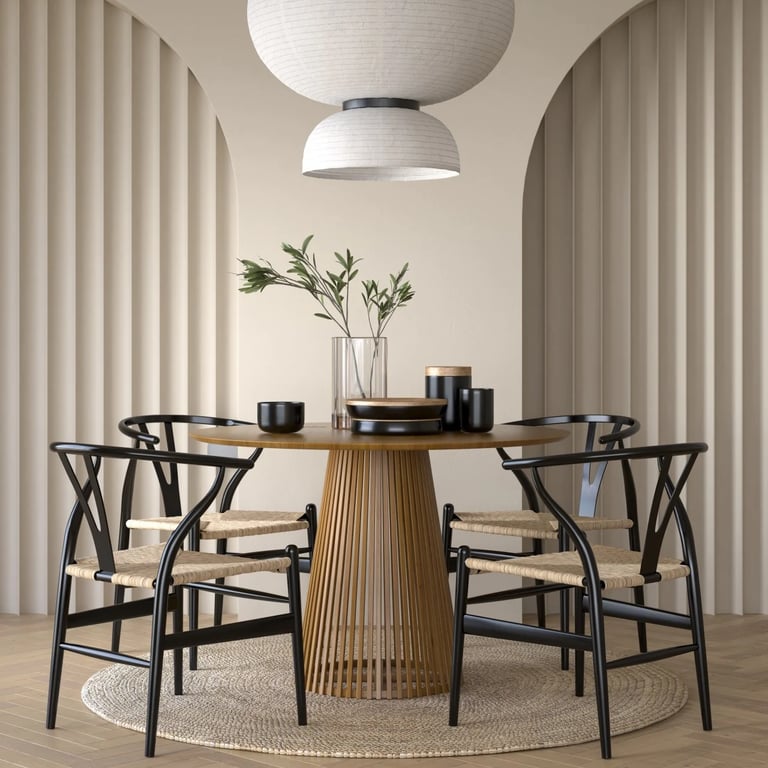
3.Radial balance in interior design is created when elements are arranged around a central focal point. All visual components either radiate from or revolve around this center.
Common examples include:
A round dining table with chairs placed evenly around it
A chandelier positioned at the center of a room
Circular seating arrangements around a coffee table
Furniture arranged around a central rug
Radial balance creates a strong sense of focus, unity, and movement. It naturally draws attention to the center and makes the space feel organized and connected
-----------------------------------------------------------------------------------------------------------------------------------------------------------------
-----------------------------------------------------------------------------------------------------------------------------------------------------------------
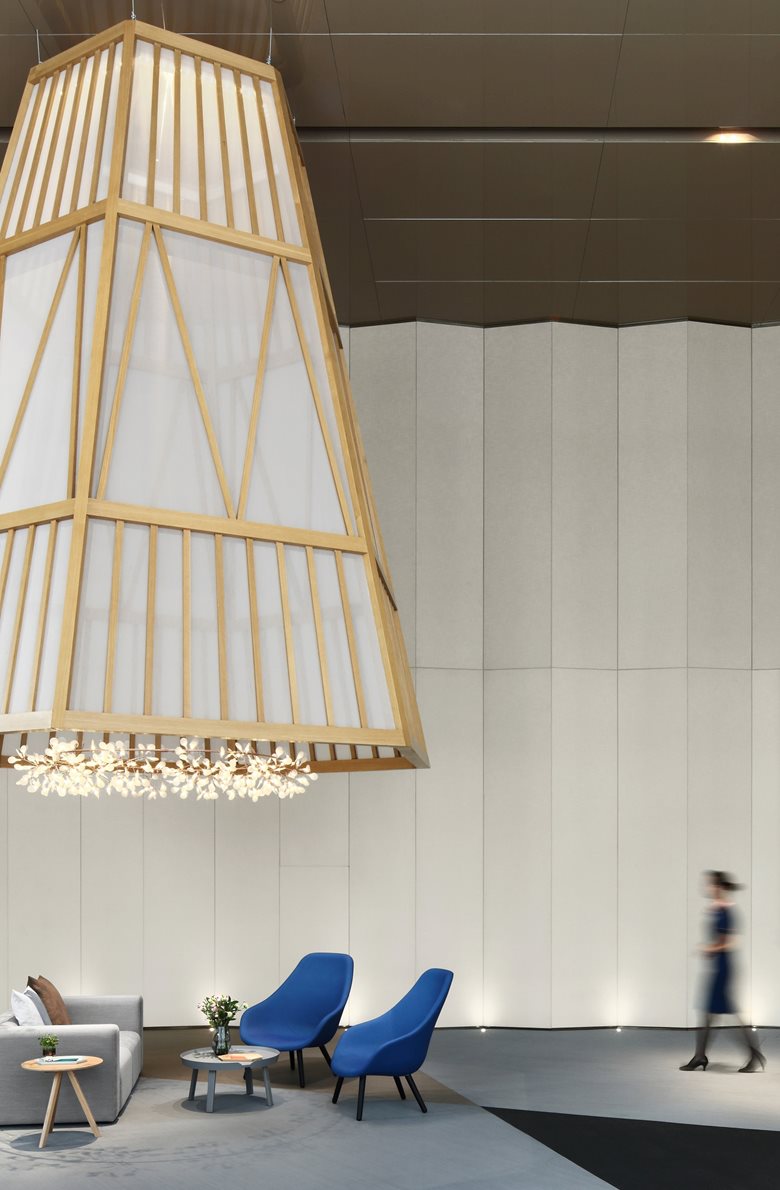
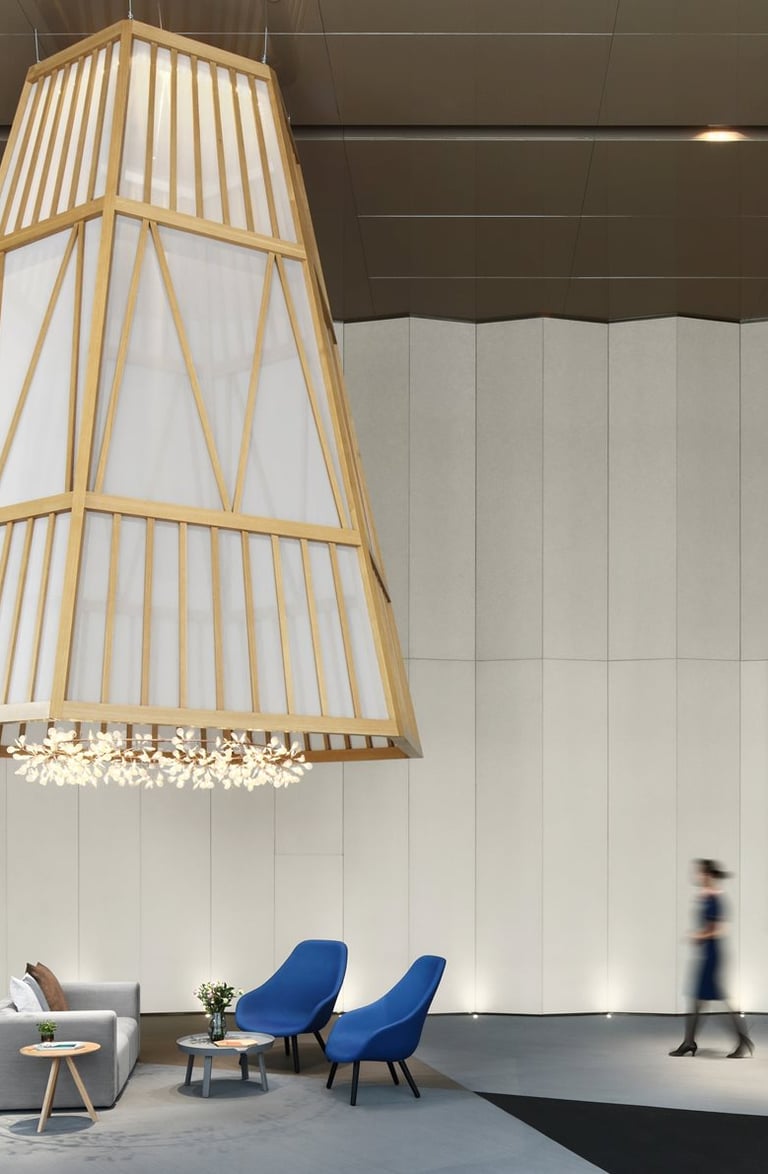
An equally important interior design principle is scale and proportion — namely, how the objects in your room fit the space.
Scale refers to the size of an object in relation to the room. For example, a large sectional sofa may overpower a small living room, while tiny furniture may look lost in a spacious hall.
Proportion refers to the size relationship between objects within the same space. For instance, a large coffee table should match the size of the sofa, and wall art should suit the wall dimensions.
When scale and proportion are correct, a room feels comfortable, functional, and visually balanced. They help create harmony and prevent the space from feeling crowded or empty. Scale and proportion are key principles that ensure furniture and décor fit correctly within a space.
-----------------------------------------------------------------------------------------------------------------------------------------------------------------
3. Rhythm
Guiding the Eye Through the Space
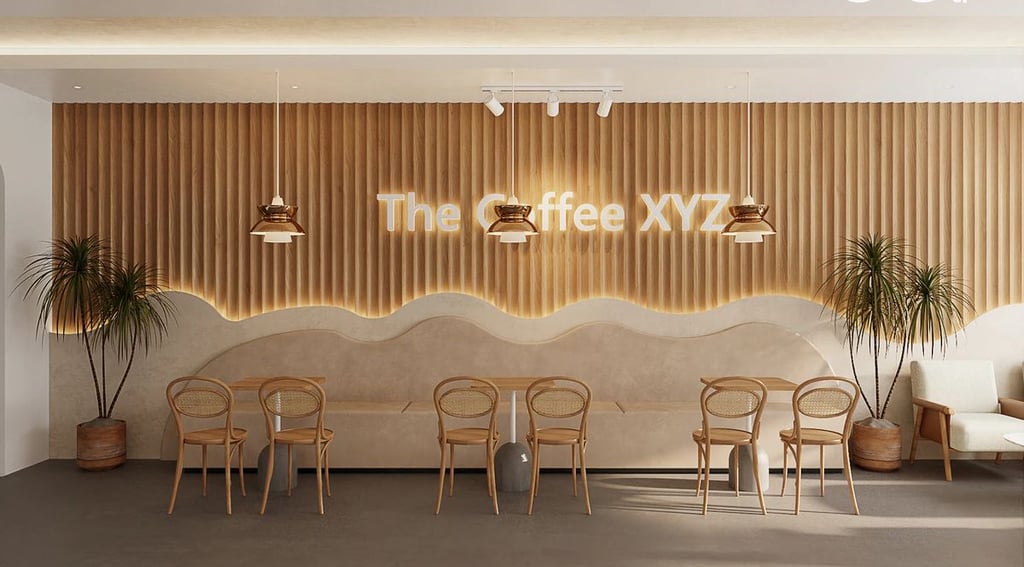
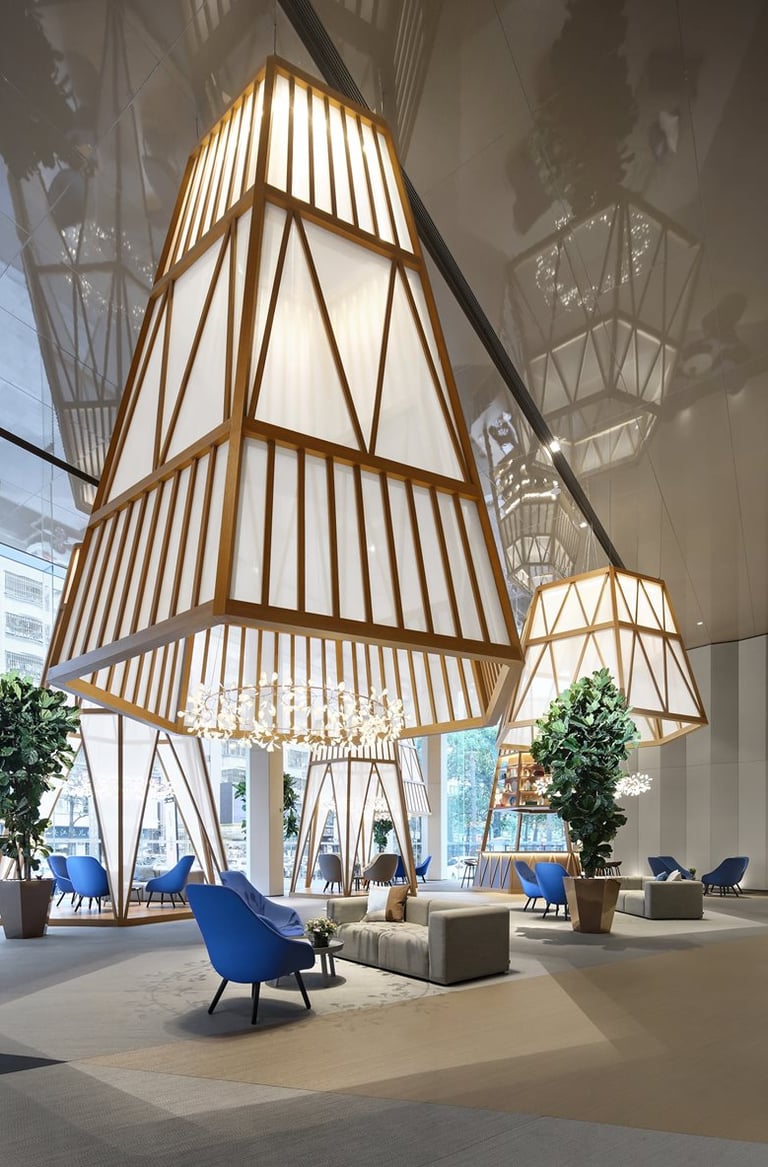
Rhythm in interior design refers to the repetition of elements that create movement and visual flow within a space. It helps guide the eye smoothly from one area to another.
You can use similar furniture styles in your bedroom and living areas to provide intriguing comparisons for additional rhythm. If the style is tricky to replicate, consider the types of material, for example, similar tones of wood for your furnishings. You can add rhythm to your home in many other ways — sometimes, you need to think out of the box to find them.
Rhythm can be created through:
Repeating colors or patterns
Consistent lighting fixtures
Similar shapes or textures
Decorative elements placed at intervals
When rhythm is applied properly, a room feels connected and organized rather than random. It adds structure, harmony, and a natural flow to the overall design
-----------------------------------------------------------------------------------------------------------------------------------------------------------------
2. Scale & Proportion
Right Size, Right Fit
4. Contrast
Adding Visual Interest


Contrast is one of the most powerful of the seven interior design principles. Whether it’s shapes, materials, or texture, you have a large variety of media to play with to develop this unique principle. In interior design is the use of opposing elements to create visual interest and depth within a space. It prevents a room from looking flat or monotonous.
Contrast can be achieved through:
Light and dark colors
Different materials (wood and metal, glass and fabric)
Smooth and rough textures
Modern and traditional design elements
When used thoughtfully, contrast highlights key features, adds personality, and makes the interior more dynamic and engaging.
-----------------------------------------------------------------------------------------------------------------------------------------------------------------
Unsurprisingly, unity combines all your interior design elements to unify rather than alienate your space. You could achieve unity in interior design through material choices, furniture sizes, or even by creating harmony with the shapes you select. It’s all about creating cohesion through a common theme or design.
It could also mean unity across different rooms. Although each room will have its own identity, the flow of the theme or style should ideally reverberate throughout your home to establish unity. Subtle color flow is the easiest way to accomplish this, and by utilizing a color wheel, you can confidently select the most compatible ones.It ensures that all elements — colors, furniture, materials, textures, and décor — work together to create one harmonious look.
Unity is achieved when:
A consistent color palette is maintained
Materials and finishes complement each other
Furniture style follows a common theme
Design elements feel connected rather than random
When unity is present, a room feels organized, balanced, and professionally designed. It creates a smooth visual experience and makes the entire space feel thoughtfully planned.
-----------------------------------------------------------------------------------------------------------------------------------------------------------------
5. Unity
Where Every Element Belongs

6. Emphasis
Creating a Focal Point
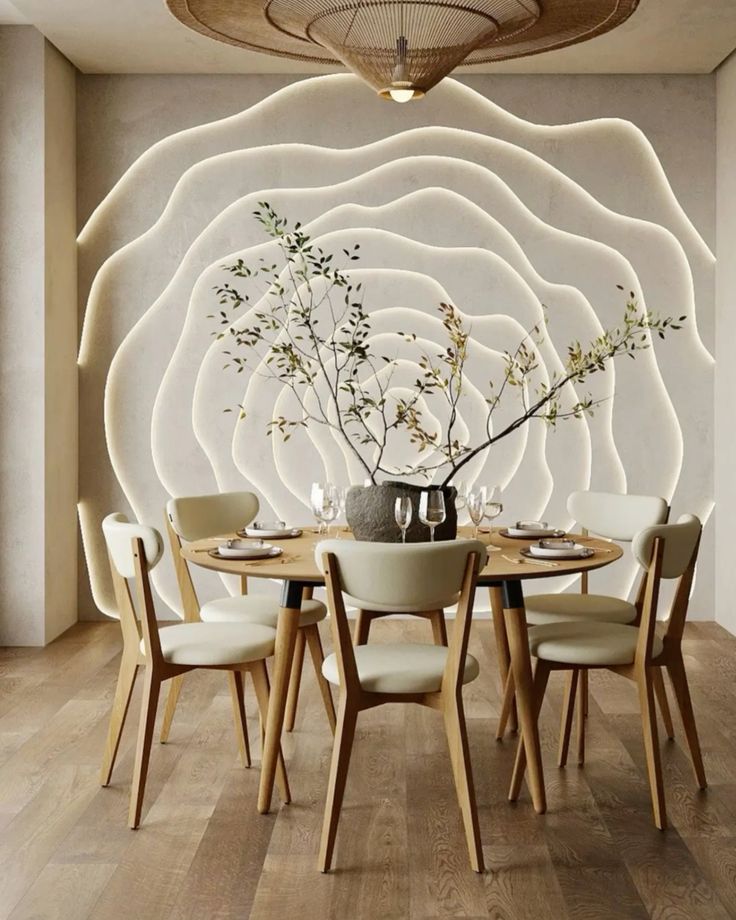
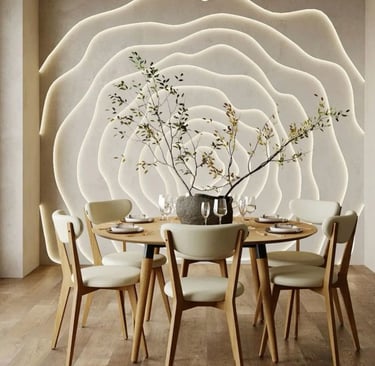
Emphasis in interior design is the creation of a focal point that draws attention and becomes the highlight of a space. It gives the room a clear visual direction and prevents it from feeling plain or scattered.
Consider drawing attention to your kitchen or bathroom with a boldly colored backsplash or add an accent wall to your living area. There are numerous ways to emphasize your space, from intriguing decor and accessories to more prominent, characterful elements.
A focal point can be:
A feature wall or bold paint color
A statement chandelier
A fireplace
A large artwork or decorative element
A designer headboard in a bedroom
When emphasis is used effectively, it adds character, balance, and purpose to the interior while guiding the eye naturally to the most important element in the room.
-----------------------------------------------------------------------------------------------------------------------------------------------------------------
7. Detail
The Beauty Lies in the Details
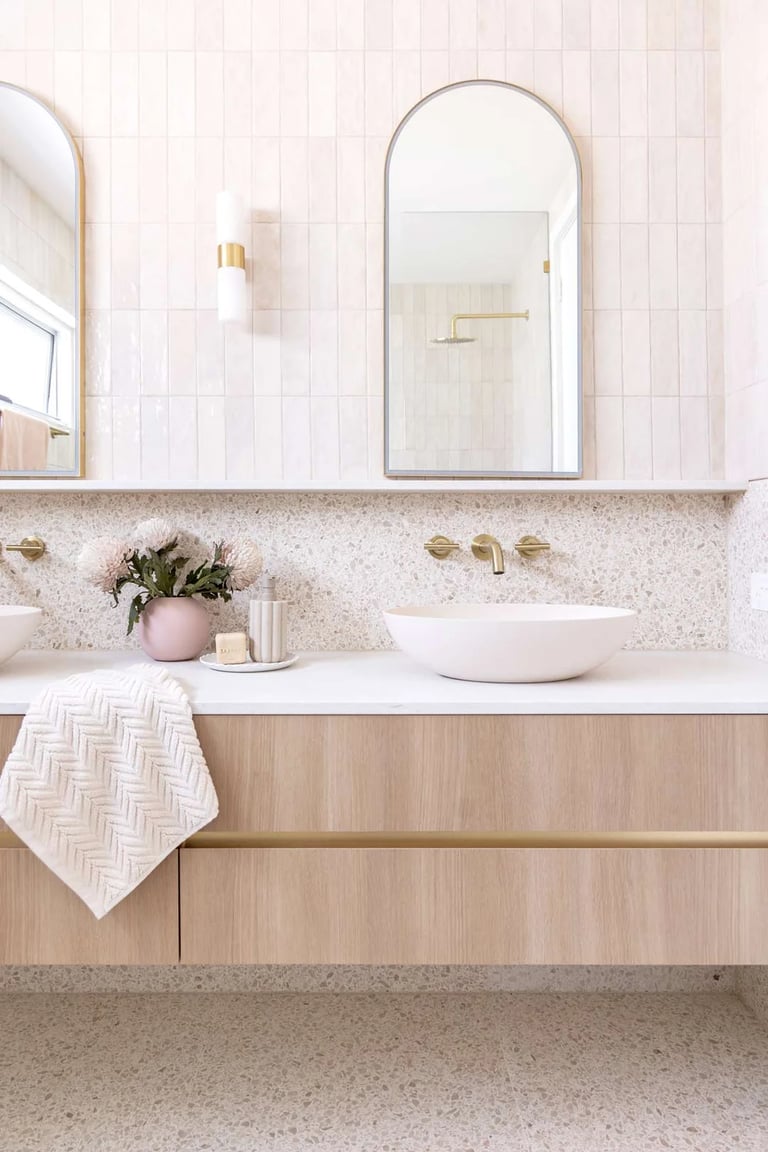
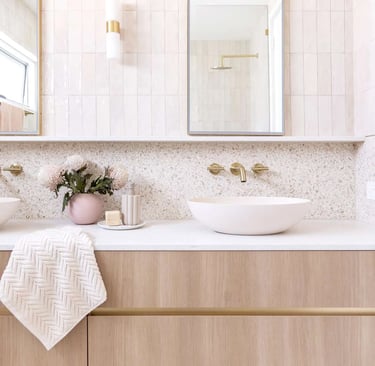
Detailing in interior design refers to the careful attention given to small elements that enhance the overall quality and finish of a space. It is the precision in execution that transforms a good design into an exceptional one.
Detailing includes:
Clean furniture edges and finishes
Well-designed ceiling patterns and lighting placements
Perfect alignment of tiles and materials
Custom moldings, trims, and joinery
Though often subtle, detailing plays a major role in defining the character, elegance, and professionalism of an interior. It reflects craftsmanship, improves durability, and ensures that every part of the space feels thoughtfully completed.
No : 56 karuneegar street Thiruninravur 602024
+91 8072349457 / 9677287622
info.homelifeproperties369@gmail.com